

How Much Are Property Taxes in Pensacola, Florida?
By Dr. Cynthia Tant, Broker-Owner & Real Estate Investment Specialist
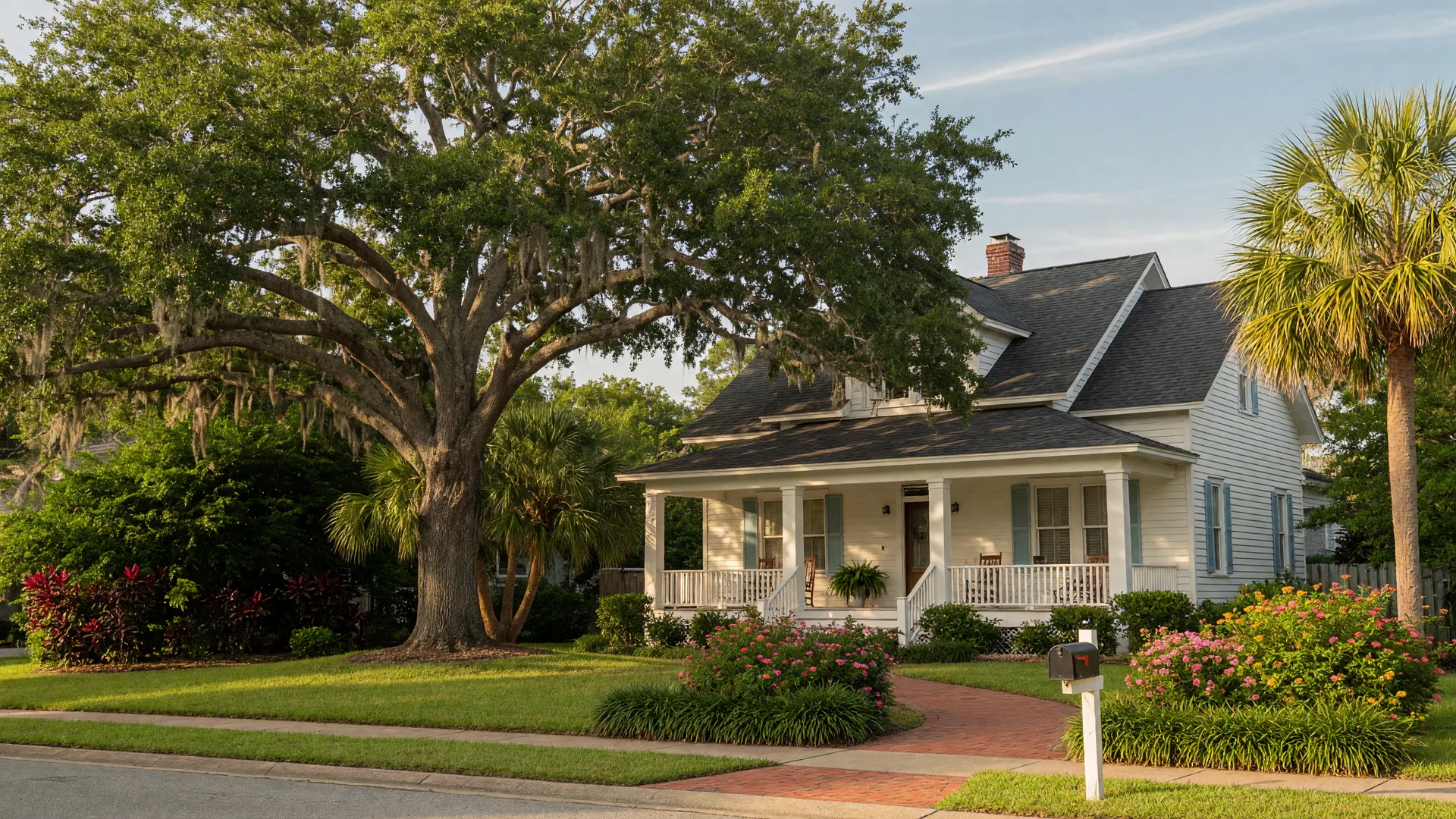
For most Pensacola homeowners, the effective property tax rate lands in the range of about 0.6% to 0.9% of market value, which is noticeably below the national average once Florida's homestead exemption and the Save Our Homes cap are applied. That low, stable tax burden is one of the quiet reasons so many buyers and investors choose the Pensacola area, so it pays to understand exactly how the numbers work before you make an offer.
Escambia County uses a millage system, where you pay a set amount of tax per $1,000 of taxable value. A homesteaded home inside the Pensacola city limits carries a combined rate around 17.5 mills, or roughly 1.75% of taxable value. That raw millage headline looks higher than what owners actually pay because it applies only to the taxable portion of the assessment, not the market price.
The Homestead Exemption Changes Everything
Florida allows a standard homestead exemption of up to $50,000 off the assessed value of a primary residence. The first $25,000 is exempt from all property taxes, including school taxes, and a second $25,000 (for values between $50,000 and $75,000) is exempt from non-school taxes. To qualify, the property must be your primary residence as of January 1, and you must file with the Escambia County Property Appraiser by March 1. It is one of the easiest paperwork wins in Florida, and I always make sure my buyers file the moment they close.
The Save Our Homes Cap
Once your homestead is in place, Florida's Save Our Homes amendment caps how much your assessed value can rise each year at just 3%, no matter how fast the market climbs. That means a long-time Pensacola homeowner's tax bill grows slowly even in a hot market, and it is why two similar houses can carry very different millage-based bills depending on how long each has been owned.
Seniors, Veterans, and Additional Breaks
Escambia County offers additional exemptions for homeowners 65 and older, for disabled veterans and surviving spouses, and for widows and widowers. On top of that, Florida has no state income tax, so your pension, IRA, and Social Security income are not taxed at the state level. For someone relocating from a high-tax Northern state, the combined savings often runs into the thousands of dollars every year. This is exactly why Pensacola has become such a draw for retirees and second-home buyers looking to keep more of their retirement dollars.
What Investors Should Watch
Here is the honest catch for investors: the homestead exemption applies to a primary residence, not to rental or vacation properties. If you buy a Pensacola Beach condo or a downtown short-term rental as an investment, those additional exemptions do not apply, so the tax load sits higher than on an owner-occupied home. That is not a deal breaker, but it has to be built into your cash-flow model from day one. I run those exact numbers with every investor I work with, because underestimating taxes and insurance is the fastest way to turn a promising rental into a money loser.
Florida voters could approve a much larger homestead exemption in November 2026, but it is not law yet, so I recommend planning on the current $50,000 exemption and treating any future change as icing on the cake.
The bottom line is good news: with no state income tax, a generous homestead exemption, and a tax rate that sits near or below the national average, Pensacola lets you keep considerably more of your housing dollar. Ready to see what your tax picture would actually look like on a specific property? Contact me at Gulf Coast Home Experts and I will walk through the numbers with you, whether you are buying, selling, or investing.