
Did Florida's Property Tax Amendment Pass? What It Means for Pensacola
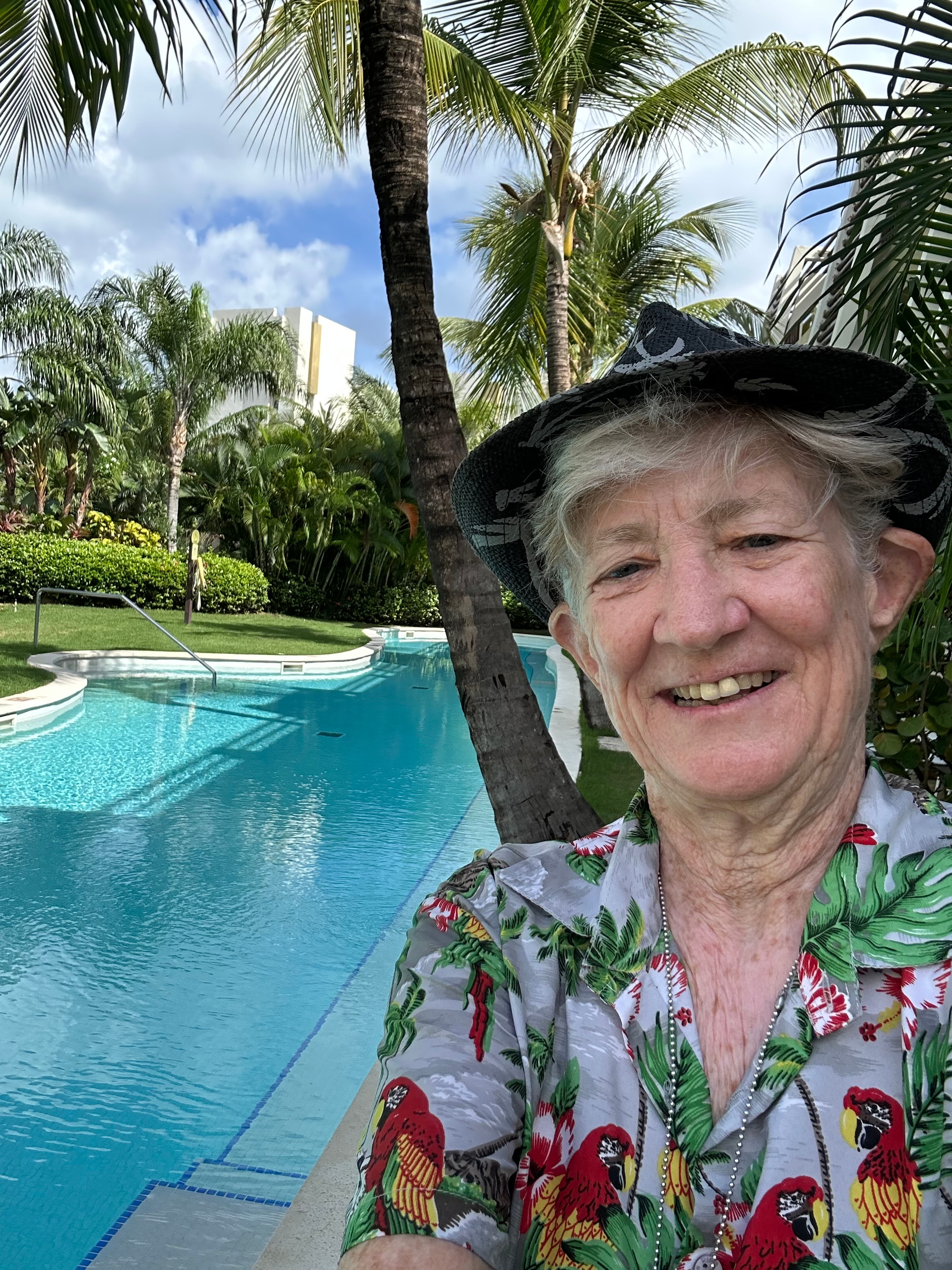
By Dr. Cynthia Tant, Broker-Owner, Gulf Coast Home Experts
Yes. Florida voters approved the property tax amendment on November 3, 2026, with roughly 62 percent in support, clearing the 60 percent threshold the state requires for constitutional amendments. The measure triples the homestead exemption on non-school property taxes, to $150,000 starting January 1, 2027 and $250,000 in 2028, and it cuts the annual cap on assessment increases for rental and investment properties from 10 percent to 5 percent. It is the biggest change to Florida property taxes in decades, and it touches almost every owner in Pensacola.
I have owned, bought, and sold property here for 30 years, and I run a property management company and a vacation rental company in the Pensacola area, so I follow tax policy closely. Here is what the new law means for homeowners, investors, and anyone planning to move to the Gulf Coast.
What the Voters Approved
On the ballot the measure appeared as Amendment 3 and passed with roughly 62 percent support. For owner-occupied homes, it raises the homestead exemption on non-school taxes from $50,000 to $150,000 effective January 1, 2027, then to $250,000 effective January 1, 2028, with inflation adjustments in later years. The higher exemption does not apply to school district taxes, which account for roughly 40 percent of a typical bill, so school funding is not part of this change.
What It Means for Pensacola Homeowners
For a homesteaded owner, the larger exemption shrinks the taxable value of the home and lowers the portion of the bill that funds city and county services. Existing protections stay in place: Save Our Homes still caps annual assessment growth at 3 percent for homesteads. One important catch for out-of-state buyers: anyone who was not a Florida resident as of December 31, 2026 receives the current $50,000 exemption until their fifth year of homestead, when the higher exemption applies. If you are relocating to Pensacola from another state, that timing affects your first few tax bills, and it is worth building into your budget.
What It Means for Pensacola Landlords and Investors
This is the part I get the most questions about. For non-homestead properties, meaning rentals, second homes, condos, and commercial buildings, the amendment lowers the cap on annual assessment increases from 10 percent to 5 percent, effective January 1, 2028 for non-school taxes. Pensacola landlords have watched assessments climb quickly as the market rebounded, and a 5 percent cap gives long-term rental owners and vacation rental investors more predictable property tax exposure. For owners who hold past the exemptions and for anyone weighing a new investment property, that predictability helps protect cash flow on both the long-term and short-term sides.
What to Watch Over the Next Year
The amendment requires the Legislature to set uniform limits on the property tax rates, or millage rates, that local governments can levy, excluding school districts, to implement the changes. Cities and counties, including Pensacola and Escambia County, will see a meaningful drop in property tax revenue, so expect budget discussions, service adjustments, and possibly new or increased fees as governments close the gap. For buyers, ask whether the home you are considering has homestead status and how long the current owner has held it, because both affect the taxes you will inherit at closing.
The Bottom Line
Florida's property tax amendment passed, homeowners gain ground starting in 2027, and investors get a slower-growth assessment cap starting in 2028. The details will be refined as the Legislature writes the implementing rules, so check with a tax professional before you rely on any estimate. For a refresher on how homestead exemptions and Save Our Homes work in Florida, read my earlier guide to property taxes in Pensacola.
I help buyers, sellers, and investors in Pensacola understand how changes like this affect the real numbers on a specific property. Contact me at Gulf Coast Home Experts to run the tax math on a home you are considering, whether it is your first or your tenth. Catch you later, let's make some money in real estate!